.png)
Toy Care, Lubes and More

Updated: Mar 10
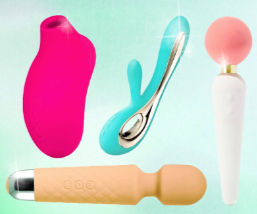
Sex is fabulous and fun if you do it right, but it can be downright scarring if you do it wrong.
Sex toys are the same. Respect yourself, your genitals, and your partner by being educated on our product best practices. How to clean them, how to be safe with them, and how to love them. I’m going to go over a few tips and tricks for toys and lubricants.
First lesson is the plethora of sex toy materials, and how to deal with them. There are a lot of materials, and usually you can read the box to know what they are. Be warned, many manufacturers market their sex toys as novelties, not for internal usage. This means they aren’t legally obligated to list their materials on the box. Most of them will list the material somewhere, but it can be hard to find.
The biggest issue with porous materials. If made with a porous material, bacteria can be absorbed into the toy and it can never be fully sanitized. This means that you should never share this toy between partners or between holes.
A toy-use best practice is to remember that bacteria can be transferred on a toy. If you have an STI and you take a toy out of you and put it into someone else, then you can transfer the STI. The anus has bacteria that is very harmful to the vagina, possibly causing urinary tract infections. Taking a toy out of the butt and putting it into the vagina can cause infection.
Keep this in mind during both play and storage. If you store a butt toy and a vagina toy touching each other, the bacteria will carry over. If you store one partner’s toy touching another partner’s toy, the bacteria will carry over. If you really want to share your toy then use condoms or get a non-porous toy made of glass or metal, which are fully sanitizable.
If you have a toy made of a non-porous material, then you’re on easy street. Just clean the toy between holes or partners, and everyone’s genitals will be fine. As a best practice, I advise against butt-to-vagina under any circumstances because UTI’s aren’t fun, but I’m not your mom, do what you want.
There are a few options for cleaning. My favourite is Toy Cleaner. This is specially formulated for sex toys, and you can keep it next to the bed and just spray and go, rather than putting on a robe, walking to the bathroom, risking running into kids or roommates. I’m frankly exhausted just thinking of it. Cleansing wipes called Pleasure Wipes are great for your genitals and for cleaning toys. In a pinch baby wipes will do the same thing, if you want your toys to smell like baby. Gentle soap and water is a simple, effective option. You can use alcohol on some toys, but rinse it well or your delicate mucous membranes will get a painful surprise. When in doubt, follow the instructions on the box.
Phthalates are an important issue to keep in mind when shopping for sex toys. Phthalates are used by some manufacturers to soften the plastic in sex toys. They’ve been linked to cancer, reproductive diseases, and health problems in children. Phthalates have been banned in children’s toys in the United States, but not in sex toys. So, it’s great the children are protected, but keep an eye out for your genitals as well. We don’t stock toys with phthalates at Positive Passions, but if you’re buying elsewhere be sure to check. Phthalates are a serious health risk, so research anything you’re not sure of.
I’ll give you a rundown of the materials we carry.
NON-POROUS
Silicone has a silky smooth feeling and is rigid without feeling too hard. It’s a premium material, so it’s usually well advertised. If the toy doesn’t have any mechanical, electrical, or plastic parts, you can boil it for a few minutes to sanitize it.
It is often best to keep each silicone toy in it’s own fabric baggie to prevent it from picking up dust, hair, and fuzz from the environment. Never store silicone toys touching each other. Silicone binds to silicone, so your toys will merge together like the world’s worst transformer. Similarly, don’t use silicone lubricant with a silicone toy, the toy will get sticky and weird and eventually it’ll peel like a banana.
The best lubricant to use is water-based. There are mixed reports on oil-based lubricants, I’ve found the lube goes thick and odd. Not dangerous, but I’d suggest avoiding it. Some say that oil-based lubricants will deteriorate the silicone of your toys - which makes no sense if you consider that most kitchenware is made with silicone and comes into contact daily with oils - so there is suspicion that these reports come from cases where the silicone was mixed (which is done to soften the silicone), or in fact was not silicone at all. If you’re concerned, do a spot test first and always wash your toys thoroughly with soap and water immediately after contact with an oil-based lube.
Glass toys might sound like a crazy concept, but they’re actually really wonderful. Think of how great a big hard cock feels, and then imagine that times ten. Glass toys are particularly great for g-spots. And no, they will not break off inside of you. Unless you have a cement floor in your vagina, you’ll be fine. (Seriously, steer clear of cement floors. I learned this the hard way.)
They’re super-easy to clean. You can pop them in the dishwasher if you want. They can be boiled, but watch out; they retain heat longer than you might expect.
You can use any kind of lubricant with glass toys. As for storage, just keep it somewhere where it won’t fall on a cement floor and it’ll be fine.
Metal toys have qualities very similar to glass: they are hard, sanitary, can be heated and cooled safely and are beautiful, elegant, and durable. You might find stainless steel or aluminum sex toys, both of which are body safe even when powder coated.
Just like glass, metal sex toys can be washed and sanitized with any cleanser and can be boiled or put in the dishwasher. You can use any kind of lubricant with metal toys.
ABS Plastic is hard and smooth. There’s not a lot of ways to go wrong with this old work-horse. ABS is structurally sturdy and has a strong resistance to chemicals and impact (although the plastic can get scratched, so handle with care). It is also completely body safe and there are no known carcinogens, allergens, or adverse health effects associated with ABS plastic. In fact, you already use it everyday! All sorts of everyday objects from keyboards to lego to light switch plates are made with ABS plastic.
You might see some sex toys listed as PU Cote or PU Coat. This is ABS plastic that has been coated with Polyurethane. Generally these are durable and resistant to wear, however using alcohol to clean these toys may cause the coating to peel so it’s best to avoid that.
You might also see ABS toys with chrome or silver plating. This is when extremely thin layers of metal are adhered to the surface of the plastic. This is a decorative finish that also makes the product smoother, more durable, and more resistant to bacteria. The coating may eventually rub off, revealing the plastic underneath, but to date there is insufficient evidence to lead us to believe that this would be harmful to your body. One thing to watch out for is if it chips, since there is a slight chance this could cause the toy to scratch you. Metal plating might rust, so it’s best to dry your toy after washing and store in a clean, dry location.
Toys made with ABS plastic are compatible with all types of lubes and you can wash it with any cleaner, but store these toys away from sunlight and do not boil them. They are sensitive to heat and will melt at high temperatures.
POROUS
PVC plastic and jelly are common sex toy materials, especially for “realistic feel” dildos and soft, squishy massagers. Sometimes PVC Jelly is softened with phthalates, and that is why it is so important to avoid cheap, novelty sex toys and always buy from reputable dealers that can tell you the contents of their toys. Toys that are made with safe PVC will label “phthalate free” on the packaging, so look for this and only buy these toys.
A sure-fire way to determine whether your PVC toy is safe or not is by inspecting it when it comes out of the packaging and throughout its lifespan: if it releases an oily/greasy residue that smells like chemicals, then it is made of an unstable material and it is best to avoid touching that to your genitals. Dispose of these toys if they cause irritation to your skin, if they start to smell or discolour, or if they get visible abrasions or damage to the surface.
The biggest thing to remember is to avoid using oil-based lubricant with PVC; the oil will break down the porous material. Water based lubricants are your safest bet. Be sure to wash these toys with soap and warm (not hot) water and a gentle toy cleaner before and after every use.
TPR/TPE Rubber are also very common, rigid with a bit of give. TPR (thermoplastic rubber) and TPE (thermoplastic elastomer) are very similar materials that are non-toxic, flexible, and chemical and abrasion resistant. TPE is generally slightly softer and more elastic than TPR. SEBS material (sometimes listed as SEBS rubber) is a form of TPE that is made to be very soft and stretchy, and so is seen in cock rings and similar items in which durable elasticity is an important quality.
Water-based lubricants are the way to go with these materials. Oil will break down the porous material, making it less stable and sanitary over time and wearing it out faster. It’s nearly impossible to tell whether silicone lubes will damage the material until after it happens, so it’s best to steer away from them.
Realistic Skin, also known as softskin, or ultraskin, is that really smooth squishy material that looks like real skin. The material is soft and flexible and it warms to the touch. Male masturbators and “realistic” penises are often made of this material. It’s very porous and delicate. Stretching the material may create micro-rips that will widen with use. In general, these toys have a shorter life span than ones made with more durable materials.
Only use water-based lubricant, the others will damage it. Since it is porous, it is very important to wash this toy well after use, and they are prone to chemical damage so use gentle cleansers that are scent and alcohol free. Dry it thoroughly inside and out before storing, as it may mildew otherwise. After cleaning this material, sprinkle it with cornstarch to keep it silky smooth.
STORING TOYS
It’s nice to store your toys in an attractive way, so you feel good about your toys and yourself when you look at them. The best way to store toys is to put each in its own baggie, so there will be no transfer of bacteria and no chance of silicone toys reacting to each other. A cloth bag is a nice option. You can certainly use plastic bags as well, but some materials will stick to the bag and be difficult to get in and out. You also want to make sure the toy is completely dry before storing it in plastic, otherwise it might sweat and mildew, or cause electrical components to rust.
Don’t store battery-operated toys with the batteries inside. Batteries can lose their charge if left in a toy for a while. Batteries can also leak, so you could be left with a non-operational toy full of battery acid, and vibrators that don’t vibrate are very sad. Also, if you leave the batteries in, the toy can be knocked on during storage. As someone who routinely travels with a suitcase full of sex toys, I can tell you that digging through a pile of dongs until you find the one that’s vibrating is a huge pain.
LUBRICANTS
How to wet down the ol’ slip-and-slide.
First thing to know is that everyone’s skin has a unique PH balance. Think of how your friend wears a perfume that smells super-cute on her, but that time you borrowed it you smelled like cat pee. Lube is similar. If you’ve ever had someone tell you that a certain brand is bad because it gets sticky and gross, that’s actually just their skin’s reaction to that brand!
To test a lube, put a small amount on the back of your hand and rub it vigorously. You want to see if it gets frothy and sticky, or if it immediately goes dry. Whatever it does on your hand, it will do on your genitals!
There are a few different kinds of lubricant. I’ll go over the three types we carry.
Water-based lube is the most common. It will eventually absorb into the skin, so you don’t need to wash it off. If it absorbs before you’re done, you can reactivate it by sprinkling some water over it (spitting works as well, if that’s what you’re into). Water-based lubes also come in a variety of yummy flavours and types.
There are a few things to watch out for. Glycerin is used to sweeten many brands of lube. If you’re prone to yeast infections, avoid glycerin because it will feed the yeast. Parabens are a common preservative that is in lots of cosmetic products, but it has been linked to breast cancer so the European Union banned it. The lubes we sell at Positive Passions are glycerin and paraben free (the flavoured lubes are sweetened with aspartame).
Silicone lube has a lovely, silky smooth feeling. It doesn’t absorb into the skin, so it has to be washed off with soap and water, but it lasts longer than water-based lube. It also won’t dissolve in water, so you can use it in the tub or the shower. Some people find that they get a bit of a stomach-ache if they ingest a lot. It won’t have any long-term effects, but maybe don’t use it as your blow-job lube.
I already told you why you can’t use silicone lube on a silicone toy. So just don’t. I hate to see good lube or toys go to waste.
Oil-based lube is popular for male masturbation and anal sex. It’s thick and long-lasting, but the texture isn’t popular for vaginal sex. Remember that oil breaks down latex. If you’re using latex condoms to prevent pregnancy or STI transmission, do not use oil-based lube. I will find you and I will hit you.
Another option that we don’t carry but it’s so awesome I’ll tell you anyway, is coconut oil. It’s anti-fungal so it helps to prevent yeast infections, I can attest that it feels awesome for both vaginal and anal sex, and it makes the dick taste like coconut which is just the greatest thing. You can also use it as a massage oil, a moisturizer, to whiten your teeth, put it in your hair overnight for shiny hair, put it on your popcorn as a healthy alternative to butter, use it for cooking. It does pretty much everything but tie your shoes. It comes in a solid form, so it seems super-weird, but as soon as you touch it it starts to melt.
Yours Truly,
The Positive Passions Team


Comments